
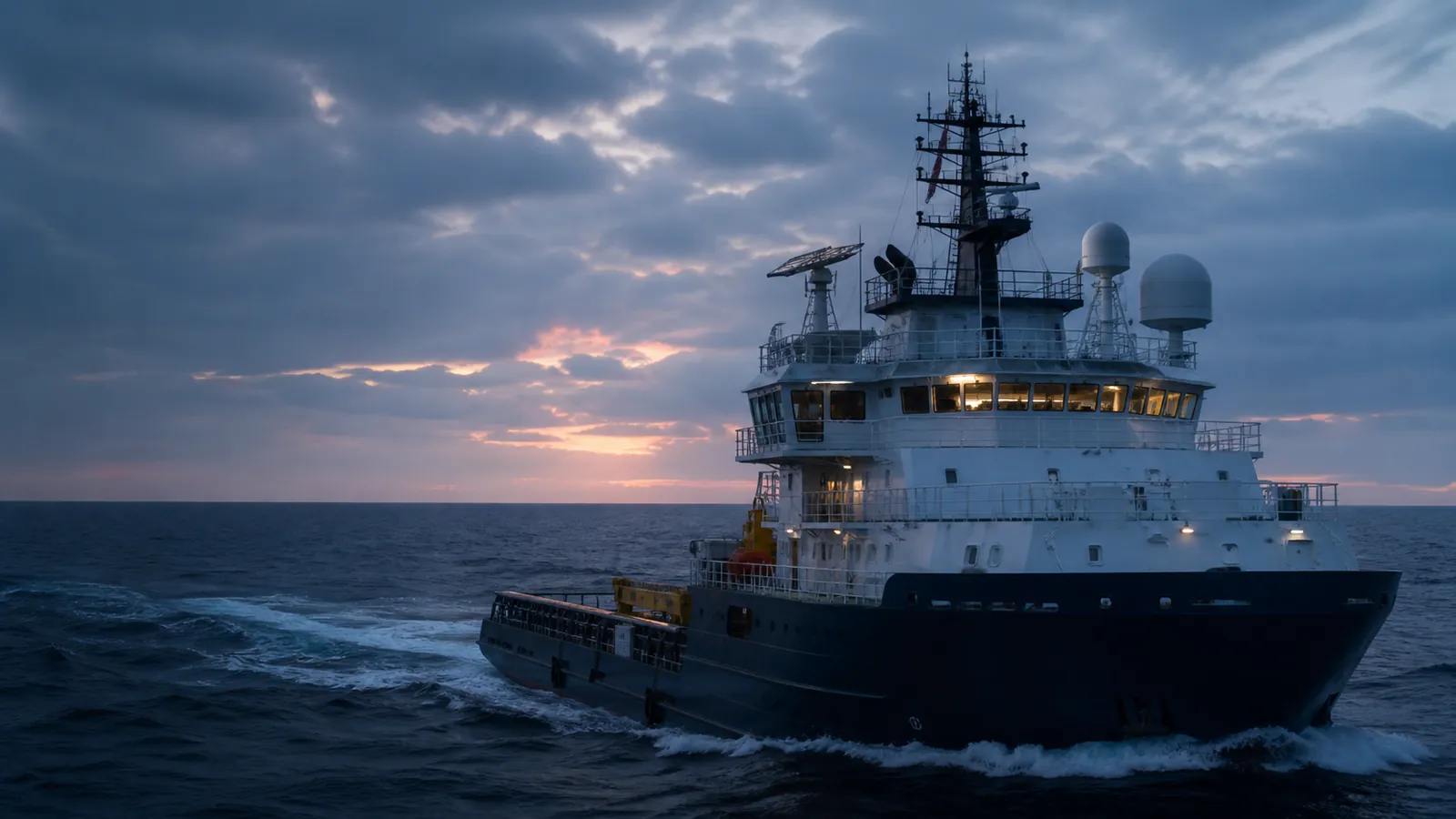
MANAGED MARITIME CONNECTIVITY
One connected vessel. Multiple paths to shore.
TS2 Space designs maritime networks that combine LEO, GEO, L-band and coastal connectivity for vessel operations, remote support, monitoring and people onboard.
Discuss your vessel or fleetCONNECTIVITY AT SEA
Designed around the vessel, route and application
A maritime connection must work with the bridge, onboard IT, operational technology and the realities of motion, weather and coverage. We help select and integrate the right mix of services instead of forcing every vessel onto one network.
MULTI-NETWORK ARCHITECTURE
The right link for each task
Modern vessels can use different networks for high-capacity traffic, assured communications, coastal operations and emergency fallback.
Starlink Maritime
High-throughput, low-latency LEO connectivity for compatible vessels and approved operating areas, well suited to cloud applications, remote support and crew internet.
Eutelsat OneWeb
Enterprise-focused LEO connectivity for professional fleets and offshore applications, integrated with approved maritime terminals and service profiles.
GEO & Managed VSAT
Established Ku- and Ka-band capacity for broad regional coverage, committed service profiles and integration with existing stabilized antenna systems.
Inmarsat Fleet Networks
Fleet Xpress and current managed multi-network options can support global shipping operations, managed service and resilient vessel-to-shore communications.
Iridium Certus
Compact L-band voice and data as a resilient operational or backup path, especially where reach, weather tolerance and small equipment matter more than headline speed.
Coastal LTE / 5G
Terrestrial mobile connectivity near shore can reduce satellite use and add another path when integrated through intelligent routing and policy control.
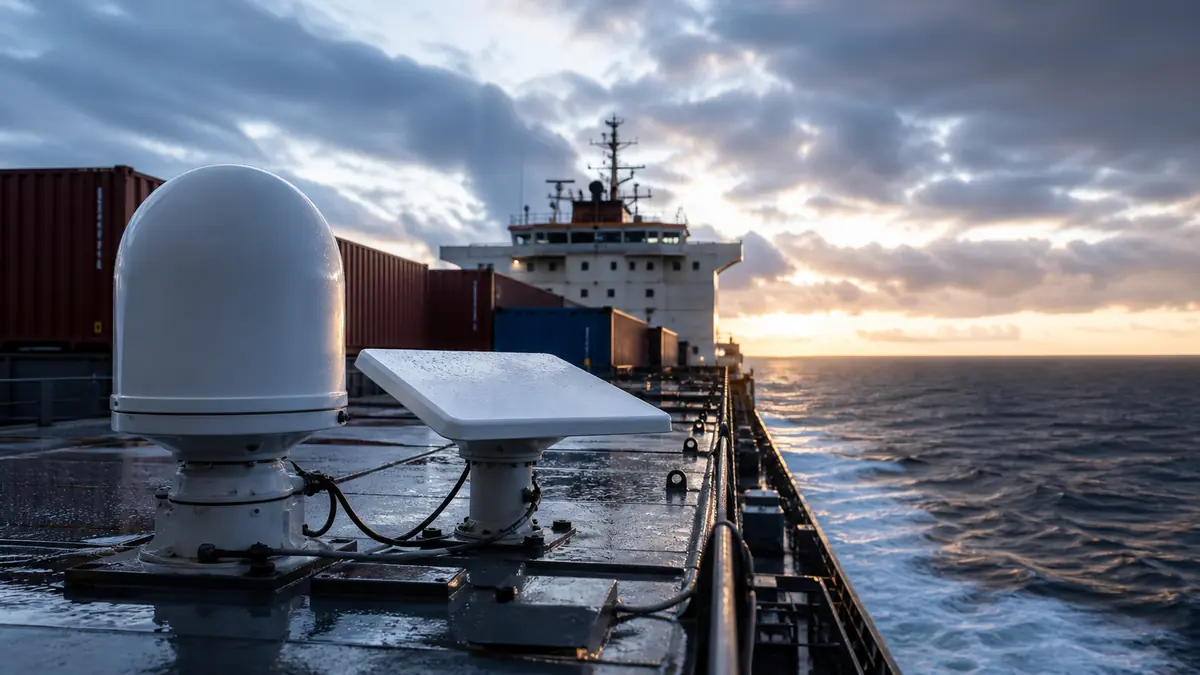
OPERATIONAL CONNECTIVITY
Bandwidth allocated by business priority
Navigation support, weather, telemetry, remote maintenance, ERP, VoIP, video and crew welfare compete for the same connection. TS2 Space helps separate traffic and define which applications receive priority during congestion or failover.
- Bridge and operational applications
- Engine and equipment telemetry
- Remote diagnostics and vendor access
- Corporate VPN and cloud systems
- Crew welfare and passenger connectivity
- Emergency and backup communications

ONBOARD INTEGRATION
One vessel network, not a collection of modems
We integrate satellite terminals with routers, firewalls, onboard Wi-Fi and operational networks. SD-WAN and policy-based routing can select the appropriate path by availability, cost, latency or application priority.
For fleet deployments, consistent configuration and asset coordination make it easier to manage changes, troubleshoot issues and scale from one vessel to many.
Discuss network integrationDELIVERY MODEL
From vessel survey to supported service
Survey
Vessel type, routes, antenna positions, obstructions, power, cabling and existing systems.
Design
Networks, terminals, service plans, redundancy, onboard integration and traffic policy.
Commission
Logistics, installation coordination, configuration, testing and crew handover.
Operate
Monitoring coordination, troubleshooting, plan changes and fleet expansion.
START A CONVERSATION
Plan connectivity for your vessel or fleet
Share the vessel type, routes, current equipment, applications and deployment timeline. We will identify a practical multi-network architecture and prepare a tailored proposal.
Service availability, performance and permitted use depend on location, network capacity, local regulation, selected equipment and service plan. Specifications and commercial terms are confirmed individually.


