INSPECTION & DIAGNOSTICS
See the condition of critical assets more clearly
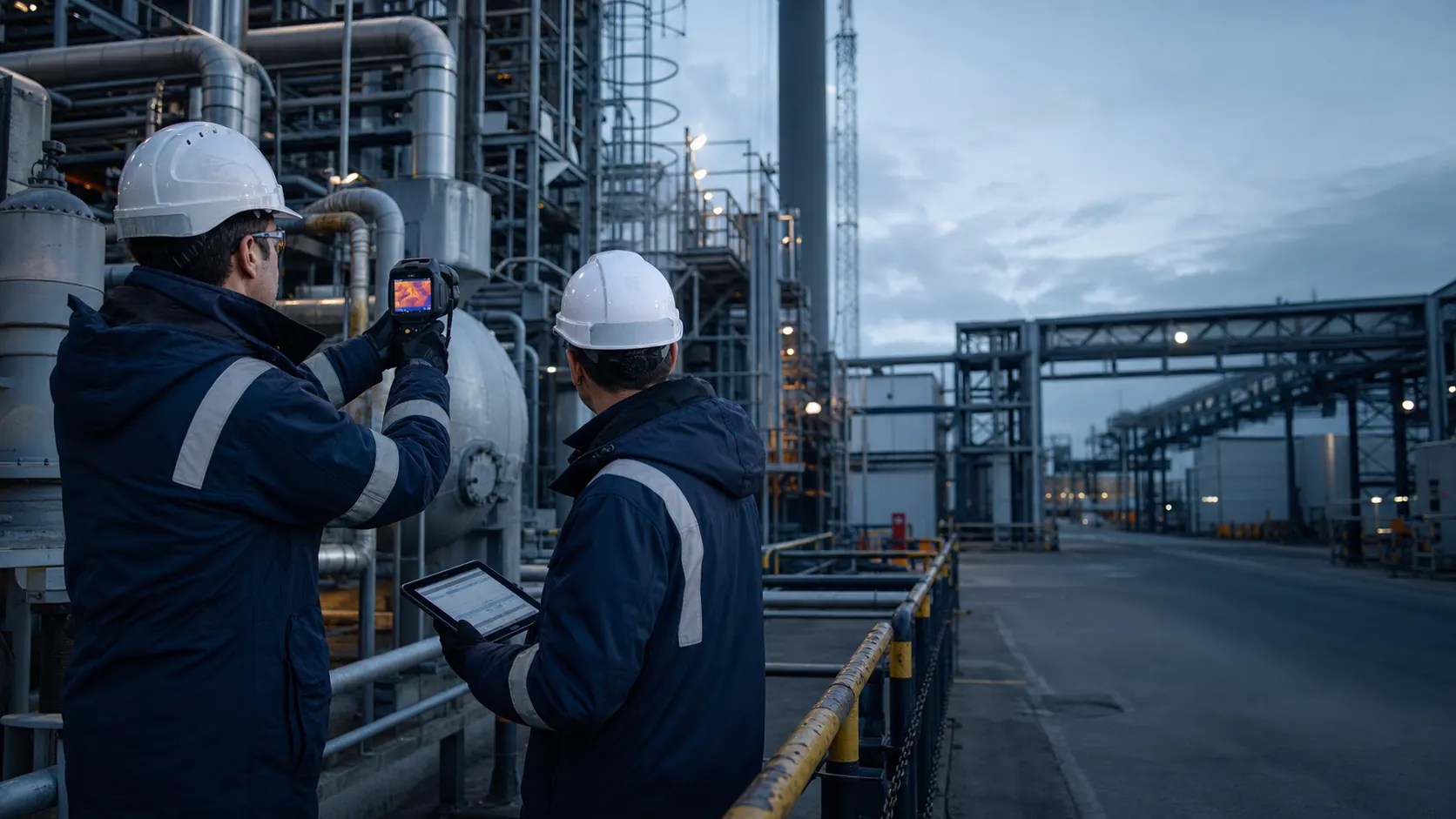
TS2 Space combines remote inspection, subsurface detection, thermal and acoustic diagnostics, reality capture and structured data workflows to help organisations investigate assets while reducing unnecessary exposure and disruption.
THE QUESTION DEFINES THE TOOL
A portfolio for surfaces, structures and inaccessible spaces
Inspection technology should be selected from the defect mechanism, asset geometry, operating conditions and evidence required—not from a product demonstration. We help turn the inspection objective into a practical capture and reporting workflow.
Automated aerial inspection
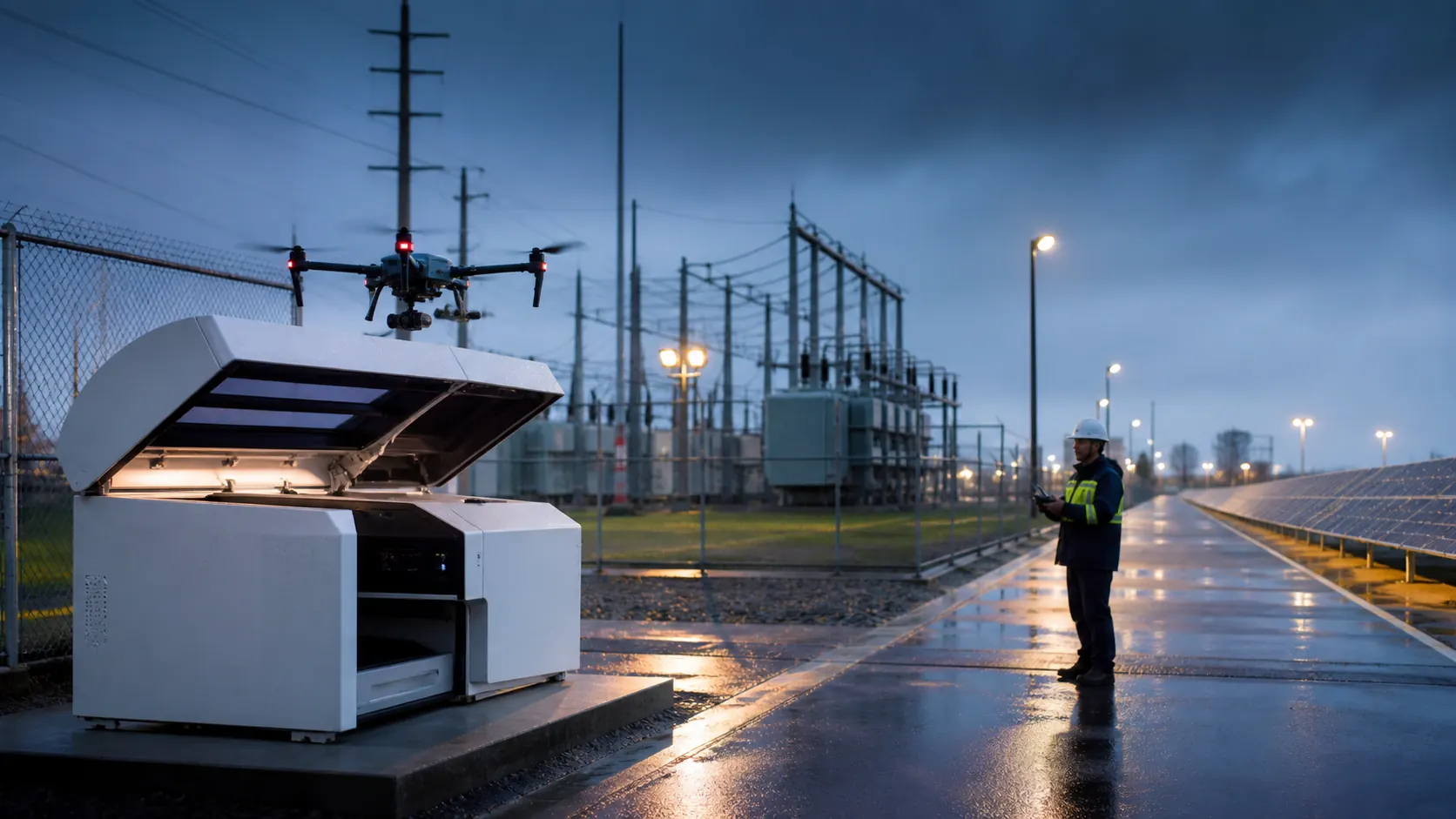
Repeatable visual and thermal missions for energy, transport, construction and industrial sites using remotely managed aircraft and docking infrastructure.
Confined-space inspection
Collision-tolerant indoor drones for tanks, vessels, tunnels, process equipment and other spaces where conventional access is difficult or disruptive.
Underground utility detection
Ground-penetrating radar, electromagnetic locating and survey positioning for mapping buried services before excavation, design or reconstruction.
Thermal & acoustic diagnostics
Condition-assessment workflows for electrical and mechanical equipment, insulation, heat loss, leaks, compressed-air systems and partial-discharge indicators.
MULTIPLE EVIDENCE LAYERS
Combine methods when one sensor cannot answer the question
A visual image may establish context but not temperature. A thermal anomaly may require electrical or mechanical interpretation. A utility record may need GPR and electromagnetic confirmation. A point cloud may locate observations but not explain the defect.
- Visual, thermal, acoustic, LiDAR, GPR and positioning data
- Repeatable routes and comparable observations over time
- Location-tagged findings and accessible digital records
- Human review, escalation criteria and traceable decisions
OPERATIONAL OUTCOMES
Technology that supports a maintenance or project decision
Reduce exposure
Use remote tools where they can reduce work at height, confined-space entry, proximity to operating equipment or repeated access to difficult terrain.
Improve consistency
Define routes, capture conditions, naming, coordinates and review criteria so that observations remain comparable across time and sites.
Accelerate decisions
Deliver evidence in a usable structure for engineers, owners, contractors and maintenance teams rather than leaving isolated files on field devices.
PROJECT METHOD
Four steps from asset question to actionable record
Define
Clarify the asset, suspected condition, operating state, access constraints and decision to be supported.
Select
Match platforms, sensors, positioning, calibration and software to the required evidence.
Capture
Plan safe field procedures, repeatability, quality checks, data protection and escalation routes.
Deliver
Structure imagery, measurements, spatial context and findings for the customer’s maintenance or project workflow.
DISCUSS AN INSPECTION PROGRAMME
Tell us what must be inspected—and which decision follows
Share the asset type, country, operating environment, access constraints, suspected condition, required output and timeline. TS2 Space will help identify an appropriate inspection and data workflow.
Equipment availability, configuration, permitted use and delivery depend on destination, end use, local regulation and the agreed project scope. Technical performance and commercial terms are confirmed individually.


